
Steel Grating Cover Applications – Detailed Industry Guide
Steel grating trench covers are essential infrastructure components across multiple sectors. Their unique combination of high load capacity, superior drainage efficiency (up to 83.3% open area), and corrosion resistance makes them ideal for Southeast Asia‘s tropical climate and rapid urbanization. Below is a detailed breakdown of applications by industry.
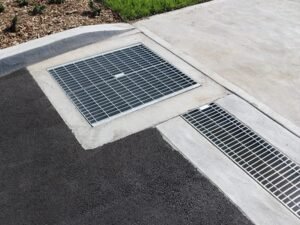
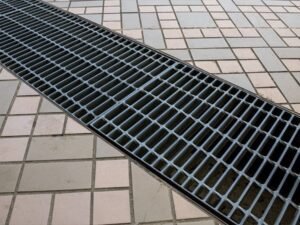
- Roads & Highways
Typical uses: Surface water drainage channels, roadside gullies, central median drains, utility access pits.
Why steel grating? High-speed roadways require covers that withstand repeated heavy vehicle loads without deformation. Steel grating’s welded structure distributes dynamic loads efficiently. The open grid allows fast stormwater drainage, reducing hydroplaning risk.
- Airports
Typical uses: Runway shoulder drains, taxiway trench covers, apron area drainage, service vehicle access pits, cargo terminal flooring.
Why steel grating? Airport pavements must support extreme loads from aircraft (up to 400+ tons for A380) and ground service equipment. Steel grating offers high strength-to-weight ratio, easy inspection, and does not create foreign object debris (FOD) when properly installed. Serrated surfaces improve braking safety in wet conditions.
- Industrial Plants & Factories
Typical uses: Factory floor trench drains, equipment access platforms, mezzanine flooring, machine pit covers, chemical plant drainage, battery room ventilation grates.
Why steel grating? Industrial environments demand slip resistance, chemical spill resistance, and the ability to support forklifts and heavy machinery. Grating allows spilled liquids, dust, and debris to fall through, keeping work surfaces clean and safe. Press-locked grating handles vibration well.
- Ports, Wharves & Shipyards
Typical uses: Dock edge drainage, container yard trench covers, shipyard work platforms, loading ramp grates, quay side access pits.
Why steel grating? Port environments combine extreme loads (container stacks, reach stackers) with saltwater corrosion and constant moisture. Steel grating provides open drainage to prevent standing water, reduces slipperiness, and allows easy cleaning of debris. Stainless steel 316 is preferred for direct seawater exposure.
- Parking Lots & Commercial Complexes
Typical uses: Multi-story parking garage drainage channels, ground-level stormwater trench grates, basement sump covers, pedestrian walkway grates in commercial plazas.
Why steel grating? Parking structures need covers that support vehicle weight while allowing water and debris to drain. Grating is lighter than cast iron, reducing shipping costs and worker injury risk during installation. Serrated surface prevents slipping on wet ramps.
- Pedestrian Walkways & Public Spaces
Typical uses: Park pathways, sidewalk drainage grates, plaza fountains, museum entrance grilles, bridge walkways, zoo and theme park drainage.
Why steel grating? Safety is paramount. Steel grating provides excellent slip resistance when serrated. The open design prevents leaf and debris clogging. For architectural projects, pressed or molded grating can be painted or coated to match surroundings.
- Water & Wastewater Treatment Plants
Typical uses: Channel covers for aeration basins, clarifier walkway grating, filter bed trench covers, chemical feed area flooring, sludge pit access covers.
Why steel grating? Treatment plants require corrosion-resistant materials that allow gases to escape, provide safe footing on wet surfaces, and permit easy removal for maintenance. Stainless steel or heavy HDG grating withstands hydrogen sulfide and chlorine exposure.
- Power Plants & Substations
Typical uses: Cable trench covers, turbine hall floor grating, cooling tower access platforms, battery room ventilation grates, switchyard drainage.
Why steel grating? Power facilities need non-slip, non-sparking (when using aluminum or specific coatings), and high-load surfaces. Grating allows heat dissipation and cable ventilation. Press-locked grating resists vibration from turbines.
- Mining & Quarrying
Typical uses: Ore processing plant flooring, conveyor walkways, sump covers, truck washdown trench grates, hazardous area drainage.
Why steel grating? Mining environments involve heavy impact, abrasive materials, and corrosive slurries. Heavy-duty steel grating with extra-thick bearing bars (60×6 mm or more) withstands dropping ore and vehicle traffic. Press-locked grating offers high impact resistance.
- Agriculture & Food Processing
Typical uses: Livestock barn trench drains, food processing plant floor drains, fish farm walkways, fruit washing area grates, abattoir flooring.
Why steel grating? Hygienic design is critical. Open grating prevents water pooling and allows easy washdown. Stainless steel 304/316 resists acidic foods and cleaning chemicals. Slip resistance improves worker safety in wet conditions.