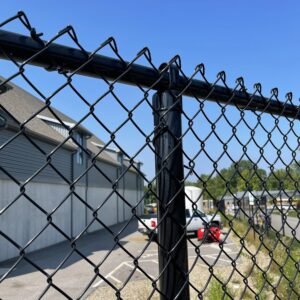
Edge Finishing Methods for Chain Link Fence
Edge finishing (also known as “edge binding” or “selvage”) is a critical step in the manufacturing process of welded wire mesh. It serves to secure the mesh edges, preventing unravelling and enhancing structural integrity. There are two primary edge finishing methods:
Twisted Edge
Also Known As: Knotted edge or twisted selvage.
Process: The exposed wires along the mesh edge are interwoven and tightly twisted together using specialized tools, forming a robust, rope-like border.
Advantages: This method creates an extremely secure edge that is highly resistant to unravelling. It offers superior overall integrity and tensile strength.
Ideal For: Applications demanding high edge strength and durability, such as coal mine support, heavy-duty slope protection, and baseball field fencing.
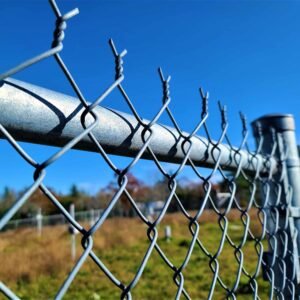
Bent Edge
Also Known As: Folded edge or return edge.
Process: The outermost wires of the mesh are bent inward and hooked onto the adjacent wires, creating a smooth, U-shaped border.
Advantages: This results in a neat and aesthetically pleasing finish, eliminating sharp exposed ends for enhanced safety.
Ideal For: Applications where a clean appearance and snag-free surface are priorities, such as residential decorative fencing, garden protection, and sports field enclosures.